Understanding the USDA Loan Annual Fee: What You Need to Know
 Navigating the world of home loans can be complex, especially when exploring options like the USDA loan. This article provides an in-depth look at the USDA annual fee, particularly as it pertains to USDA mortgage insurance and loan guarantees. We'll explore the specifics of how this fee impacts borrowers, comparing it with other types of mortgages like FHA loans and VA loans.
Overview of USDA Loans
What is a USDA loan?
A USDA loan, also known as the USDA Rural Development loan, is a type of mortgage loan offered to eligible rural and suburban homebuyers.
The goal of the USDA home loan program is to promote homeownership in rural areas. USDA guaranteed loans are unique in that they require no down payment for eligible borrowers, making homeownership more accessible. The US Department of Agriculture insures USDA loans, unlike conventional mortgages.
Benefits of USDA Home Loans
The primary draw of USDA Rural Housing mortgages is that they still offer 100% financing for eligible buyers. The benefits of a USDA mortgage are significant, especially for those who qualify.
One key advantage is the 100% financing option, meaning no down payment is required. The monthly mortgage insurance is also more than half the cost when compared to FHA loans. These loans often come with lower interest rates compared to conventional loans, further reducing the monthly payment for borrowers who may pay an annual fee.
Eligibility Requirements for USDA Loans
USDA loans do follow a few key factors when determining eligibility, mainly the property location and the household income. For all USDA Rural Housing mortgage loans, property and income restrictions apply.
Buyers can read more about the latest 2026 USDA requirements here. If you are purchasing your home in a USDA-eligible location and have a household income within the limits, you may want to consider USDA financing. Eligibility for a USDA loan hinges on several factors, including income limits and the location of the property.
USDA Mortgage Insurance Explained
Understanding USDA Mortgage Insurance
USDA loans, like other government-backed mortgages, require a one-time guarantee fee and annual costs. This upfront charge, known as the USDA guarantee fee, is similar to the FHA loan's mortgage insurance premium (MIP) and the VA loan funding fee.
Although each type of mortgage has different names for these upfront fees, the general concept remains the same: ensuring borrowers contribute to the loan guarantee and insurance programs associated with their type of mortgage.
Costs Associated with USDA Mortgage Insurance
Understanding the costs associated with USDA mortgage insurance is crucial for borrowers considering a USDA loan, as these fees impact the overall affordability of the mortgage.
These fees include both an upfront guarantee fee and an annual fee, detailed as follows:
Fee Type: The annual fee is 0.35%, the guarantee fee is 1%, and one-time fees may apply at closing. Percentage
How USDA Mortgage Insurance Differs from PMI
The annual fee for USDA loans is often compared to private mortgage insurance (PMI); however, they differ significantly. Private mortgage insurance is only charged if the loan amount is 80% or more of the home's appraised value.
Once the loan balance drops below 78% of the appraised value, the PMI is removed. However, the annual fee for USDA guaranteed loans is paid by all borrowers for the life of the loan, regardless of the loan amount at closing or the outstanding loan balance.
Annual Fee Structure for 2026
What is the USDA annual fee?
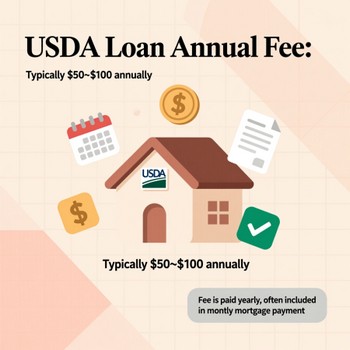
The USDA annual fee is a required payment for all borrowers with a USDA loan. The fee amount is added to the monthly payment, much like property taxes and home insurance.
While termed "annual," the fee is paid monthly as part of the monthly mortgage insurance payment. These funds provide capital to USDA to offset losses from borrower defaults, reflecting the higher risk USDA takes by offering 100% loan-to-value mortgages to borrowers.
Changes to the USDA Annual Fee in 2026
The USDA loan guarantee fee schedule has remained unchanged from last year. Each fiscal year in October, the upfront guarantee fee and annual fee may change depending on program needs.
These fees are important because they preserve the USDA's ability to offer loan guarantees to eligible rural homebuyers.
Comparison of Annual Fee and Upfront Guarantee Fee
According to the USDA, the guarantee fee and annual fee coexist to ensure the USDA-guaranteed loans program remains subsidy neutral. This means the program covers its losses through the fees collected, rather than relying on taxpayer funds.
These fees, detailed below, contribute to the financial stability of the USDA mortgage insurance program.
Refinancing and its Impact on USDA Fees
Options for Refinancing USDA Loans
For borrowers looking to potentially lower their monthly payment or explore different loan terms, refinancing their USDA loan is an option. A borrower might consider a refinance out of their USDA mortgage to remove the guarantee fee.
People that wish to remove this fee from their USDA mortgage will need to refinance the loan to a different type of mortgage program. Other options could include refinancing into a conventional mortgage or an FHA loan, depending on eligibility and financial goals.
Impact of Refinancing on USDA Annual Fees
When considering a refinance, it's essential to understand how it affects the annual fee and any potential fees at closing. Refinancing into a different type of mortgage loan, such as a conventional or FHA loan, would eliminate the USDA annual fee altogether.
However, you'll then be subject to the mortgage insurance premium, or PMI, associated with the new loan type. Carefully evaluate the long-term costs and benefits before making a decision, including considering the interest rate and fees associated with the new mortgage loan.
Considerations When Refinancing a USDA Loan
Several considerations come into play when refinancing a USDA loan. If the new loan amount is at 80% of the home’s value, home buyers will be charged private mortgage insurance.
It is a good idea to wait until the balance of the loan is well below the 80% threshold before considering a refinance. Weigh the costs of a new loan, including appraisal fees and closing costs, against the potential savings from a lower interest rate or the elimination of the annual fee of 0.35%.
Ensure you understand the terms and conditions of the new mortgage loan, including any up-front fees that may apply.
Conclusion and Key Takeaways
Final Thoughts on USDA Loans and Fees
USDA loans are an excellent option for eligible rural homebuyers, offering 100% financing and competitive interest rates. Understanding the USDA mortgage insurance costs, including the upfront guarantee fee and the annual fee, is crucial for making informed decisions.
Both of these fees allow USDA to have the funds necessary to cover these negative situations and continue to offer these attractive loans to worthy individuals across the country. These fees contribute to the program's sustainability.
Resources for Further Information
For homebuyers seeking more information, there are numerous resources available. Homebuyers can use the USDA mortgage calculator on this page to help figure out the annual fee amount.
Just be sure to add 1% to your loan amount to compensate for the one-time guarantee fee. If you have questions or want to learn more about applying, please connect with us today! Call us today, or just submit the Info Request Form on this page.
Consult mortgage professionals to evaluate eligibility and explore various financing options, including USDA guaranteed loans.
FAQs about USDA Mortgage Insurance and Fees
Homebuyers often have questions about USDA mortgage insurance and fees. The annual fee is 0.35% of the outstanding mortgage balance, paid monthly as part of the monthly mortgage payment.
The upfront guarantee fee is 1% of the loan amount. Understanding the differences between the USDA guarantee fee or funding fee and other forms of mortgage insurance, like PMI or FHA mortgage insurance premium, is vital.
Always seek clarification on any aspect of the loan or its associated fees to ensure a smooth home-buying experience, including understanding the one-time fee.
Connect With Us
Please share – it really helps